
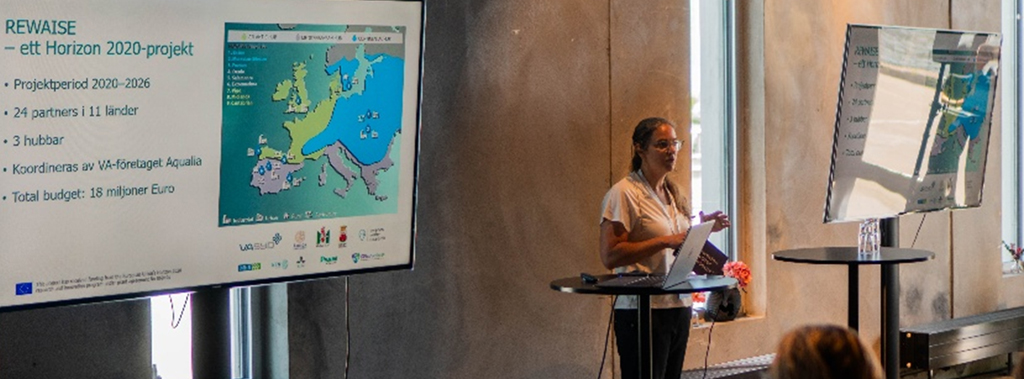
REWAISE project manager Helena Tsiparis introduces the conference and the project. Photo: Adam Hallberg.
Close to 100 participants got to see and hear more about what the REWAISE project has done and what lessons that have been learned since the start of the project in 2020.
Around 100 participants gathered in Malmö, Sweden on May 26 when the EU project REWAISE organized a closing conference for the Swedish part of the work within the REWAISE project. Since 2020, the Swedish living lab have been working to reduce the use of drinking water and develop smarter and more sustainable water solutions.
Lessons learned and reflections
During the day, results, lessons learned and experiences from the project’s testbeds and collaborations in Malmö, Lund and parts of Europe were presented. The program offered presentations on everything from research, innovation and digitalization to behavioural change and nutrient recycling.
The participants also received reflections from the project’s steering group and international partners, for example by Anna-Karin Runemo, European Research Executive Agency (REA).
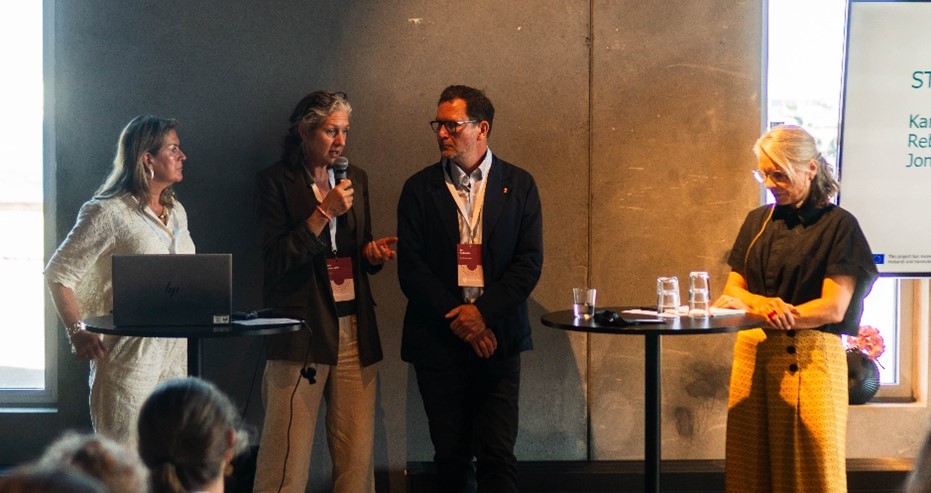
The steering group of the Swedish part of REWAISE shares reflections from the work. Pictured are (from the left) Rebecca Persson, City of Malmö, Karin van der Salm, VA SYD, Jon Andersson, Municipality of Lund together with moderator of the day, Nina Steiner, Sweden Water Research. Photo: Adam Hallberg.
Great interest about the REWAISE results from society
REWAISE officially ends in June, but the work and lessons learned from the project will live on. There has been great interest in REWAISE sharing the results and lessons learned from many different parts of society, such as municipalities, researchers, property owners and businesses. This shows how top of mind the issues of water use, water scarcity and using the right water quality for the right purpose are.
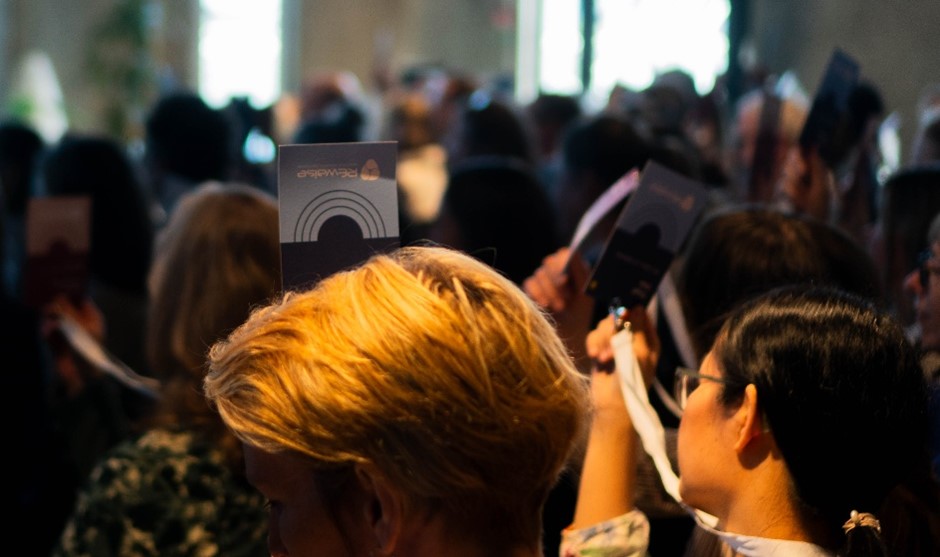
During the conference, participants got to vote on different issues, using their name tag. Photo: Adam Hallberg
Policy brief with recommendations for Swedish decision makers
A way to summarise the Swedish lessons learned is a recently developed policy brief. It is written in Swedish for Swedish decision makers. Link to policy brief (pdf)
Study visits to the cities of Malmö and Lund, Sweden
The conference ended with lunch and study visits to the living labs in Sege Park and Bellevuegården in Malmö and Pölen Pölen in Lund. The participants got to see the different solutions for rainwater harvesting, nutrients recovery and digital tools.
Malmö
MKB’s property in Bellevuegården, Malmö, shows off the treatment plant that purifies rainwater for washing machines. Photo: Elin Hasselberg.
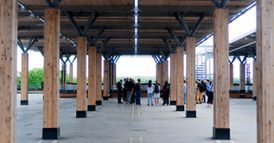
Part of the visit went to Sege Park, Malmö, where, among other things, Parking Malmö is part of REWAISE and is testing using rainwater and stormwater to irrigate the green walls of the mobility building. Photo: Adam Hallberg
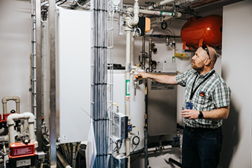
In the basement of the collective housing, Röda Oasen, membrane technology is used to to purify stormwater to use for toilet flushing and washing mashines. Researcher Tobias Hey, Lund University, is demonstrating the membrane purification setup. Photo: Sanna Dolck Wall
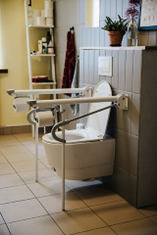
At Röda Oasen the visitors also got to see the urine-separating toilets from Sanitation360. The urine is dried and can then be used as soil fertilizer. Photo: Sanna Dolck Wall
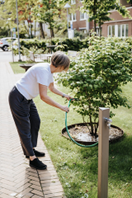
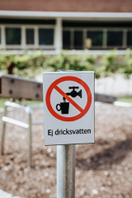
At the MKB property in Sege Park rainwater is used in the garden. The sign says “Not drinking water”. Photos: Sanna Dolck Wall
Lund
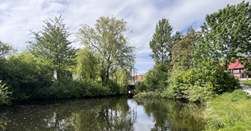
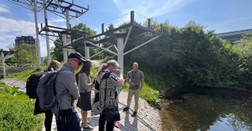
In Lund the conference visitors got to see the area of Pölen Pölen. On the LTH campus in Lund, VA SYD and Akademiska Hus are testing forecast control of stormwater flow, within the REWAISE project. Photo: Elin Hasselberg
Photo: Elin Hasselberg
